Clarity Act stalls in the Senate as ETF outflows hit $450M
The motion to proceed on H.R. 3633 fell 49-50, eleven votes short of the 60 needed. Bitcoin funds shed $450.4m the same session, their heaviest day since June.
In this story
- BTC $75,699 −1.60%
- ETH $2,402 −2.91%
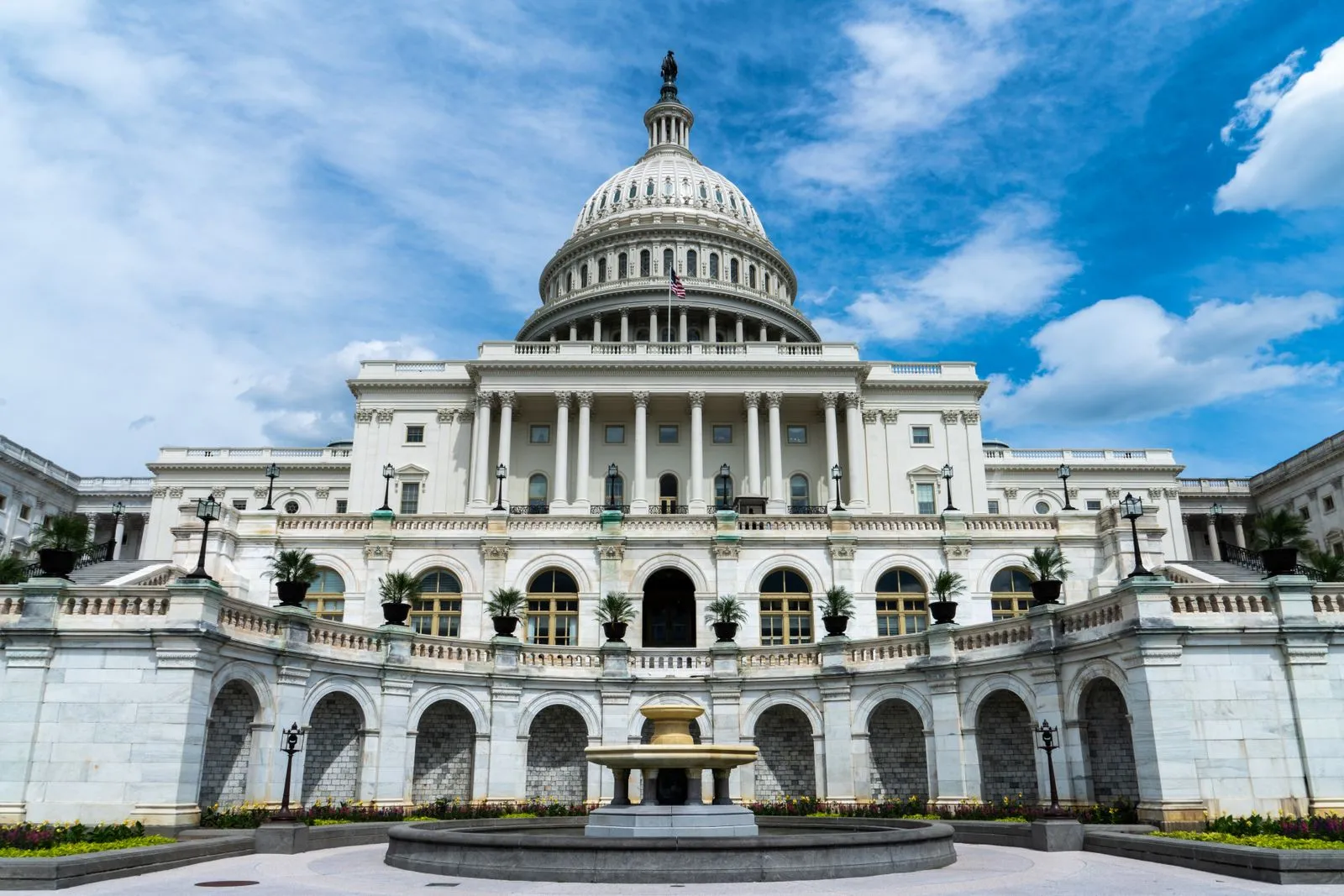
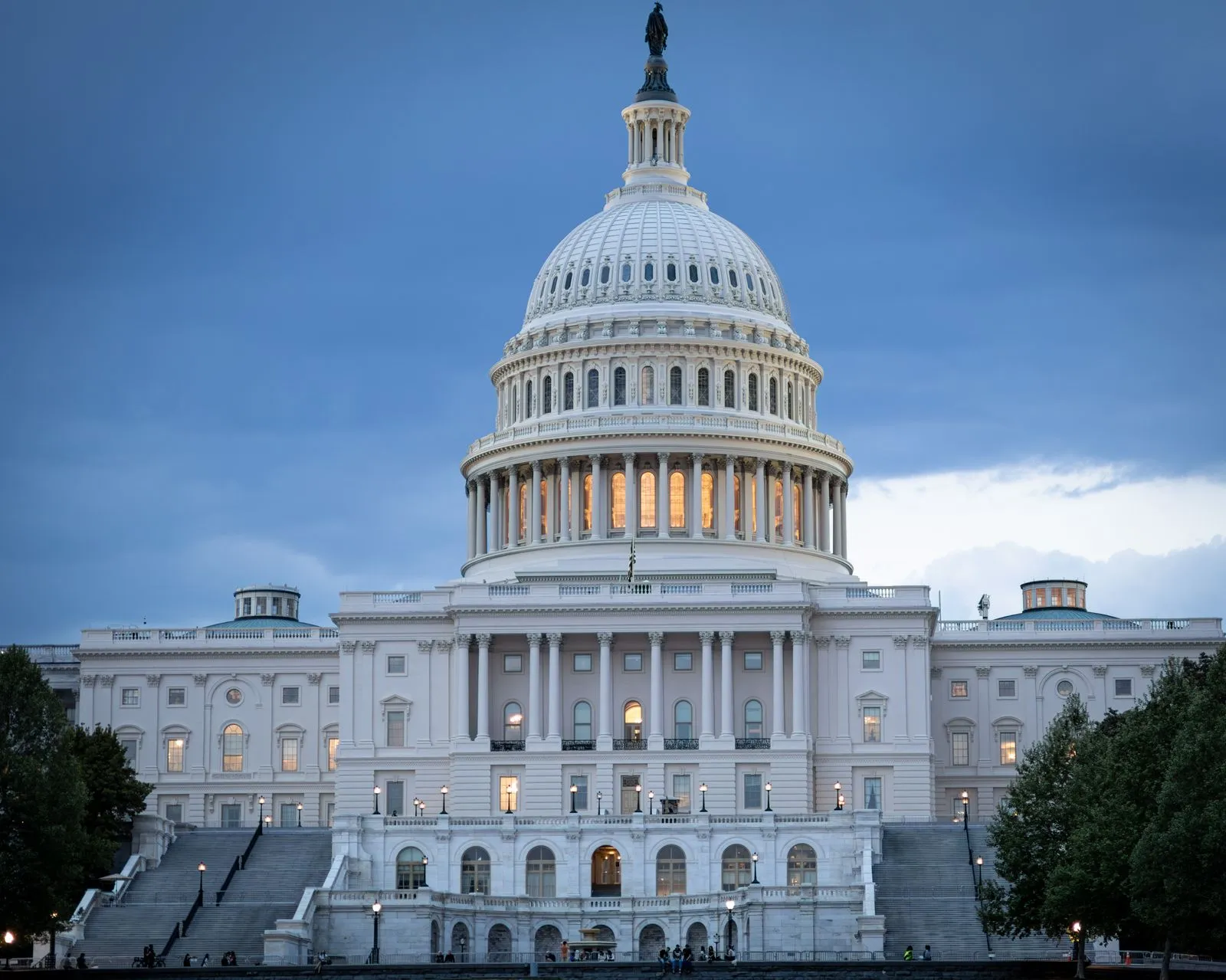
The US Senate rejected the motion to proceed to the Digital Asset Market Clarity Act on Tuesday, blocking the market-structure bill from reaching the floor and leaving the crypto industry’s central legislative ask without a path in this Congress. The Senate’s roll call records the motion as rejected 49-50, eleven votes short of the 60 required to invoke cloture; several wire reports described the tally as 50-49. Either way, the vote on the motion to proceed to H.R. 3633 failed.
The procedural nature of the vote matters for reading what happens next. Cloture on the motion to proceed only ends debate on whether the Senate should take the bill up. Had it passed, the bill would still have faced post-cloture debate, amendments, a vote on passage, reconciliation with the Senate Agriculture Committee version, and the House, which passed its own text earlier in the year. The action now stalled is the first of several gates, and it is the one that failed.
Why it fell
Republicans released a revised 635-page substitute text on Sunday that added ethics restrictions aimed at Democratic concerns about officials — including President Donald Trump and his family — profiting from digital-asset ventures. According to CNBC, the changes did not resolve the remaining opposition. Senator Ruben Gallego, a Democratic negotiator, said before the vote that Republicans cared “more about making sure the president keeps making money than actually bringing regulations.” Politico also reported that some Republicans were swayed by banking-industry objections to the bill’s treatment of stablecoin and deposit-taking activity.
Senator Cynthia Lummis, the bill’s leading advocate, told reporters earlier on Tuesday that if the procedural vote failed, “it’s over.” The calendar points the same way: the Senate is scheduled to leave Washington in early October and not return until after the November midterms, with the House recessing sooner. That puts the next realistic window for comprehensive market-structure legislation in 2027.
CNBC also reported that the vote could open the door for Fairshake, the crypto industry’s political action committee, to direct spending against senators who voted to block the bill — a route the industry has used in previous cycles.
The flow tape answered the same session
Spot bitcoin exchange-traded funds recorded a net $450.4m outflow on Tuesday, the largest single day since June 24, according to Farside Investors. Fidelity’s FBTC led at $214.8m, followed by BlackRock’s IBIT at $161.7m, Grayscale’s GBTC at $44.1m, ARK 21Shares’ ARKB at $17.4m and Bitwise’s BITB at $12.4m. Monday’s session had printed a $159.9m net inflow. US spot ether funds recorded a $142m net outflow on the same day, per SoSoValue data carried by ChainCatcher.
Bitcoin traded near $75,750 on Wednesday morning UTC, down about 1.5% over 24 hours, after touching a session low of $74,973.8 during Tuesday’s US hours — a fresh low for the current range — on KuCoin data. Coinbase and Circle shares fell 8% and 10% respectively in Tuesday’s session, per CNBC.
The failed vote also shifts where rulemaking continues. CNBC noted the SEC has proposed allowing startups to sell up to $75m of tokens without registering, and the CFTC recently approved the first US bitcoin perpetual futures — agency-level changes that do not require Congress.
Sources
- US Senate roll call vote 234: cloture on the motion to proceed to H.R. 3633
- Congress.gov: actions on H.R. 3633, the Digital Asset Market Clarity Act
- CNBC: Senate cloture vote on Clarity Act fails, dealing regulatory setback to crypto industry
- Farside Investors: bitcoin ETF flow data
- Cointelegraph: Bitcoin ETFs shed $450M in biggest outflow since June
- KuCoin spot market data (BTC-USDT, ETH-USDT)