New Clarity Act draft lands ahead of the Senate's first vote
Republicans circulated a revised Digital Asset Market Clarity Act on Thursday, tweaking DeFi and credit-union rules before a September 15 procedural vote.

In this story
- BTC $75,403 −3.13%
- ETH $2,390 −4.86%
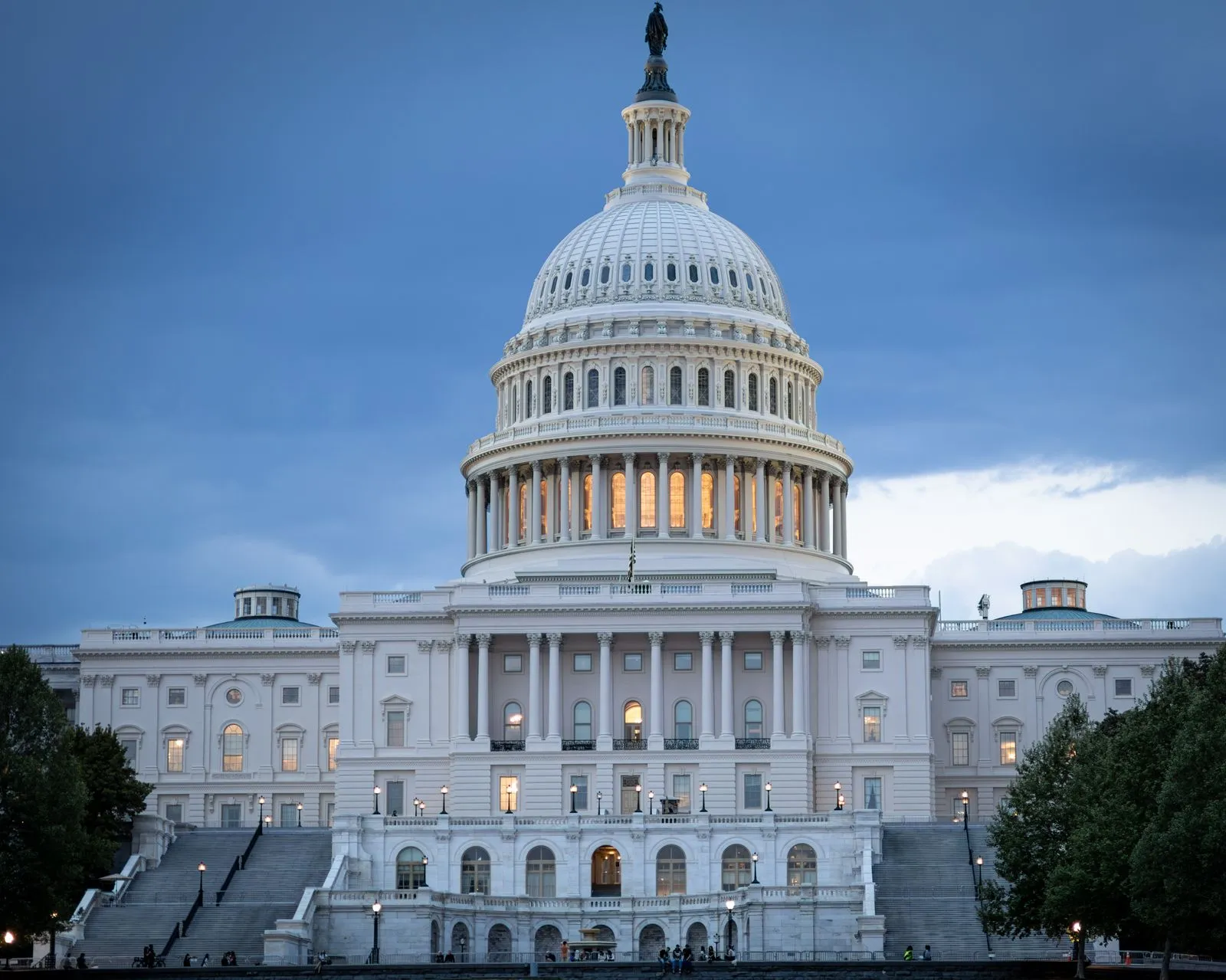
Republicans circulated a revised draft of the Digital Asset Market Clarity Act on Thursday, a week before the Senate is scheduled to take its first procedural vote on the bill, according to a CoinDesk report on September 10. The text follows the pattern of previous versions but adds requirements for decentralised finance entities and adjusts provisions covering credit unions.
The cloture vote on the motion to proceed is set for Tuesday, September 15, and needs 60 votes. The Senate returns from its August recess on September 14, which puts the vote one day after members are back in Washington.
What changed in the draft
According to CoinDesk, the new text sets out when DeFi projects would have to register with the Commodity Futures Trading Commission and meet Bank Secrecy Act requirements, and states that the DeFi language is aimed only at spot-market and cash transactions in digital commodities rather than prediction markets. It also gives credit unions more clarity on their treatment when dealing with digital assets.
Senator Cynthia Lummis of Wyoming, one of the bill’s chief negotiators, framed the draft as a bipartisan product. “We have incorporated more than 114 separate provisions at my Democrat colleagues’ request, and as a result, this bill is a strong bipartisan product,” she said in a statement, adding that “unlike rulemaking, legislation gives this industry a lasting solution that shields it from the whiplash of changes in the White House.”
The bill, H.R. 3633, would split oversight of digital commodities between the Securities and Exchange Commission and the CFTC, and exempt certain digital commodities issued on mature blockchains from SEC registration requirements. It passed the House in July 2025 and cleared the Senate Banking Committee by a 15-9 vote in May 2026, according to the bill’s record on Congress.gov. The cloture motion on the motion to proceed was presented in the Senate on August 8, 2026, and it has been on the Senate calendar under General Orders since June 1.
The vote it needs
A cloture vote on the motion to proceed does not pass the bill. It ends debate on whether the Senate should take it up, and it requires 60 votes, meaning support from both parties. CoinDesk reported that it is unclear whether the bill has the votes to clear even that first hurdle. The outstanding dispute it described is an ethics provision covering senior government officials, including the president; key Democrats have said they will not support the bill without a bipartisan agreement on it.
Reporting cited by CoinDesk included a social media post from White House crypto adviser Patrick Witt, who wrote that all senators should vote on Tuesday “to get on the bill and allow the legislative process to continue,” and a Wednesday post from Treasury Secretary Scott Bessent urging lawmakers to “remain at the negotiating table, agree to the motion to proceed, and continue the legislative process.” Senator Thom Tillis of North Carolina told Semafor earlier in the week that the White House still needed to engage on a bipartisan proposal.
Separately, the American Bankers Association, the Independent Community Bankers of America and 77 state banking associations sent an open letter to lawmakers on Thursday calling for greater restrictions on the rewards that stablecoin companies can offer, according to the same report.
Cody Carbone, who leads the Digital Chamber, said in a statement that “the Senate must act now or risk ceding U.S. leadership in digital asset and blockchain innovation to the rest of the world.”
Why the date matters
The vote lands the same week as the Federal Reserve’s September meeting and a run of inflation data, which puts a scheduled regulatory event and a macro decision in the same window. A failure on the motion to proceed would leave the bill’s path back to the floor uncertain, because the Senate calendar ahead of the November midterms is short and the House has cut its September session days.
Sources
- Congress.gov: H.R.3633 — Digital Asset Market Clarity Act, all actions
- CoinDesk: New Clarity Act text tweaks DeFi, credit union provisions (September 10, 2026)
- Senator Lummis: updated Clarity Act text (July 22, 2026)
- Patrick Witt on X: vote Tuesday to get on the bill (September 10, 2026)
- Treasury Secretary Scott Bessent on X: agree to the motion to proceed (September 9, 2026)